Teddy Bear Embroidery: A Craft Fair Review
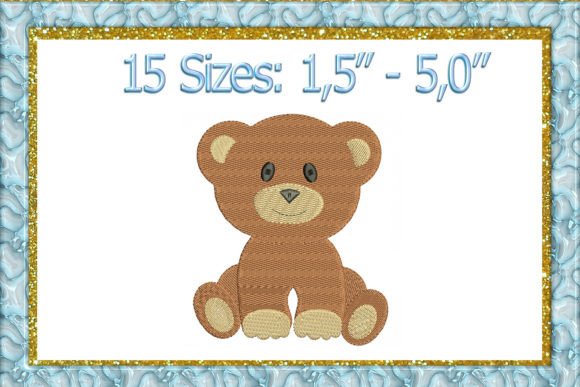
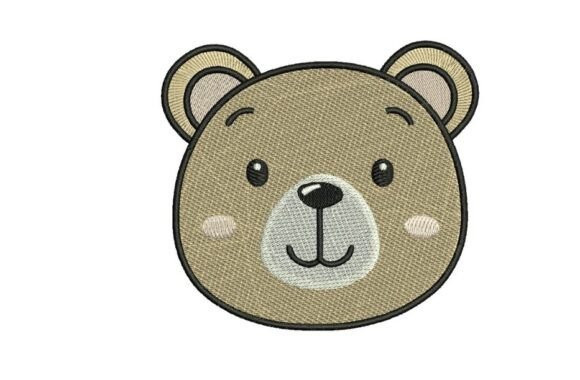
As I set up my table for the upcoming weekend craft fair, the sheer volume of handmade products can be overwhelming. From aprons to tote bags, every item needs a hook that stops a passerby in their tracks. Today, I am reviewing the Teddy Bear Embroidery design to determine if it deserves a spot on my best-selling product line. This adorable “Teddy Bear Face Embroidery Design” showcases a cheerful teddy bear with a sweet smile, blushing cheeks, and warm, soft colors. Perfect for children’s clothing, nursery accessories, or boutique home goods, this design feels like a potential winner, but does it hold up under the scrutiny of a professional embroidery designer?
First Impressions: The Power of Soft Appeal
When I first load the digital embroidery file into my machine software, the mood is immediately clear. This is not a bold, graphic statement piece; it is a heartwarming, approachable design. The description promises warm, soft colors, and upon inspection, the thread palette confirms a gentle aesthetic. For a craft fair environment where families often browse together, this design hits the right emotional note. It feels timeless rather than trendy, which is crucial for inventory that might sit on shelves for months.
The visual weight of the Teddy Bear Embroidery is balanced. It has enough detail to look premium without being so dense that it becomes stiff. In the world of handmade products, customers are looking for texture and character. This design delivers exactly that. The blushing cheeks add a touch of personality that flat prints cannot replicate, making the finished product feel truly handcrafted and special.
Product Placement: Where Does It Shine?
Not every design works on every fabric. As I prepare my booth samples, I am evaluating where the Teddy Bear Embroidery will perform best. My goal is to create a cohesive display that tells a story while maximizing sales potential.
The Kitchen Collection: Aprons and Tea Towels
Kitchen textiles are a staple for any craft fair seller. When applied as an apron embroidery motif, this design adds a whimsical touch to a functional item. However, I must consider the fabric texture. On a thick, textured towel, the fine details of the bear's eyes and nose might get lost if the stitch density is too low. Conversely, on a smooth cotton apron, the design pops beautifully. I recommend using a high-quality stabilizer here to prevent puckering, ensuring the embroidery lies flat against the fabric. The result is a charming tea towel embroidery piece that screams "gift-ready."
Carry-Alls: Tote Bags and Market Bags
A tote bag design featuring this bear could be a massive seller for parents and teachers. The large surface area of a canvas tote allows the design to breathe. Unlike small accents, placing the full face of the bear on a tote makes it a focal point. Customers walking past my booth will see the sweet smile from a distance. For a small shop product strategy, offering these in neutral canvas colors allows the warm thread colors of the bear to stand out, creating a high-contrast, eye-catching display.
Wearable Accessories: Caps and Patches
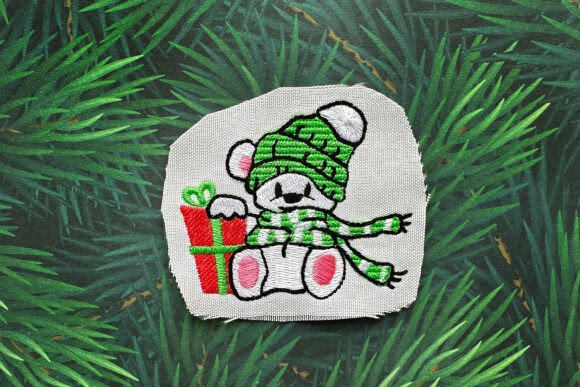
Applying this design to curved surfaces like caps requires careful planning. The hoop size must accommodate the curve without distorting the bear's features. If the design is too wide, the smile might warp. Alternatively, turning this into an embroidered patch offers versatility. Patches can be sold individually or attached to denim jackets, backpacks, and hats. This creates multiple revenue streams from a single machine embroidery design.
Home Decor: Pillow Covers and Nursery Items
For the nursery market, this design is gold. Placed on a pillow cover, the soft colors complement typical pastel nurseries. The tactile nature of the embroidery adds a layer of comfort that appeals to new parents looking for safe, high-quality baby items. It transforms a simple pillowcase into a luxury handmade product.
Practical Production Notes for Sellers
Before committing to batch production, there are several technical hurdles to clear. As an experienced designer, I always advise testing the digital embroidery file on scrap fabric first. Here is what you need to watch for:
- Dense Stitch Areas: Check the ears and the outline of the face. If the stitch count is too high in these areas, the fabric may pucker, ruining the soft look we want. Adjust the density settings if necessary.
- Thread Contrast: The description mentions "warm, soft colors." Ensure your background fabric provides enough contrast. A light beige bear on a cream shirt might disappear, whereas the same design on navy blue would be striking but perhaps less "soft."
- Stabilizer Choice: Do not skip this step. For items like tea towels or thick tote bags, a tear-away stabilizer might not be enough. Use a cut-away stabilizer to ensure the stitches remain stable after washing.
- Hoop Size Verification: Confirm that your hoop can fit the entire design without crowding. If you have to crop the design to fit a smaller hoop, the proportions of the face may look off.
Marketing and Visual Appeal
In the age of social media and online marketplaces, how your product photographs is just as important as how it looks in person. The Teddy Bear Embroidery excels here. The raised texture of the stitching catches the light, adding depth to photos for your Etsy listings or Instagram posts. Creating a printable mockup can help you visualize the final look before investing in materials, but nothing beats a real photo of the actual finished product.
For Etsy sellers and digital sellers, this design serves as excellent design assets for building a brand identity. Consistency is key; using the same bear across different product types (a matching hat and bib set, for example) strengthens your brand recognition at the booth. It signals to the buyer that you are a professional maker with a curated collection.
Commercial Considerations and Licensing
Before you start sewing, always confirm the commercial licensing terms of your commercial embroidery files. Some licenses allow you to sell a limited number of finished items, while others require a different tier for unlimited production. Ignoring this can lead to legal issues down the road. Additionally, check if the license covers digital resale or if it is strictly for physical goods. Understanding these rules protects your business and ensures longevity.
Final Verdict: Is It Booth-Ready?
After reviewing the Teddy Bear Embroidery through the lens of a craft fair vendor, the verdict is a resounding yes. Its universal appeal, combined with the tactile quality of embroidery, makes it a strong contender for a top-selling item. Whether used as a tote bag design, an accent on a kitchen towel, or a standalone patch, it brings a sense of joy and warmth that resonates with buyers.
However, success depends on execution. Pay attention to your thread colors, choose the right fabric, and invest time in proper stabilization. When done correctly, this design elevates a simple cloth item into a cherished keepsake. For creative entrepreneurs and boutique makers looking to expand their catalog with something that sells itself, this is a fantastic addition to your arsenal of Embroidery designs. Just remember to test, photograph, and price accordingly to maximize your profit at the next market.