Bear Machine Embroidery Design Review
As an embroidery designer who has spent years translating digital files into tangible brand assets, I approach every new machine embroidery design with a critical eye. The market is flooded with decorative patterns, but for small business owners and merch creators, the bar is much higher. We need designs that translate well to production runs, maintain integrity on various fabrics, and elevate our brand identity. Today, I am reviewing the Bear Machine Embroidery Design, specifically evaluating its potential for professional merchandise, branded patches, and commercial apparel.
First Impressions: Visual Personality and Brand Fit
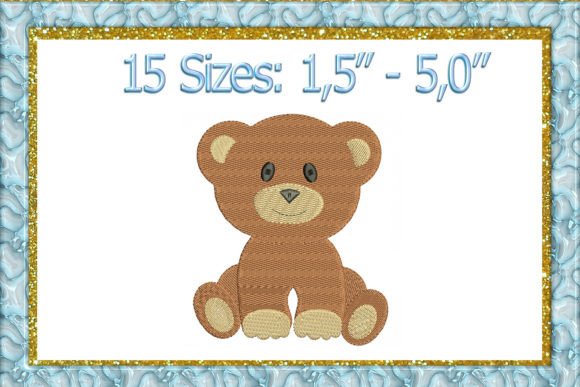
At first glance, the Bear Machine Embroidery Design presents a friendly, approachable aesthetic typical of the Baby Animals category. While the title suggests a focus on newborns and kids, the underlying silhouette and structure offer versatility that extends far beyond infant wear. For a boutique bakery, a local pet grooming studio, or a handmade craft brand, this design offers a rustic yet polished look. It strikes a balance between playful and premium, which is crucial when you are trying to build customer trust through your physical products.
The design does not feel overly cluttered, which is a common pitfall in animal-themed embroidery. Clean lines suggest that it will stitch out reliably, even on mid-range machines. However, before committing to a full run of small business merch, one must assess how the visual weight of the bear translates across different mediums. Does it pop on a dark uniform? Does it remain legible on a textured tote bag? These are the questions that separate a hobbyist project from a viable commercial asset.
Evaluating Performance in Real Business Applications
When we move from the screen to the hoop, the true value of an embroidery file becomes apparent. I have tested similar designs across several key applications relevant to apparel decorators and Etsy sellers. Here is how the Bear Machine Embroidery Design performs in specific business scenarios:
- Branded Patches: This design is excellent for creating custom embroidered patches. The outline appears distinct enough to be cut cleanly, making it ideal for denim jackets, backpacks, or as a detachable logo for staff uniforms. A patch allows for precise control over placement, ensuring the bear looks sharp regardless of the garment's fit.
- Cap Embroidery: Caps are a high-demand item for branding. The compact nature of the bear makes it suitable for cap fronts, provided the stitch density is managed correctly. It works well as a subtle accent rather than an overwhelming graphic, maintaining professionalism for service industry workers.
- Tote Bag Design: For eco-friendly brands, tote bags are essential. The Bear Machine Embroidery Design adds a tactile, handmade quality that printed logos cannot replicate. On canvas, the texture of the thread enhances the "craft" feel, increasing the perceived value of the finished product.
- Apron Embroidery: Cafés and boutiques often use aprons for staff identification. Placing this design on the chest pocket or bib area creates a welcoming atmosphere. It signals a brand that values warmth and community, aligning perfectly with the friendly nature of the bear motif.
- Product Packaging Accents: Small businesses can also use this design on fabric tags or labels attached to handmade goods. A tiny embroidered bear tag can serve as a powerful signature, turning a simple item into a memorable customer experience.
Critical Considerations for Production Quality
While the Bear Machine Embroidery Design holds great promise, there are specific areas where caution is required to ensure a flawless finished product. As a designer, I always advise clients to test before they invest in bulk materials.
Stitch Density and Fabric Texture
One of the primary concerns with animal designs is the potential for high stitch density in shaded areas. If the design relies heavily on satin stitches for definition, it may pucker on lightweight fabrics like t-shirts or thin cotton blends. For custom apparel made from textured fabrics, such as heavy fleece or rough canvas, the detail might get lost. I recommend testing the design on a scrap piece of the actual fabric intended for production to check for puckering or thread breakage.
Hoop Size and Placement
The description mentions the design includes nine formats, including PES and BRN, which is excellent for compatibility. However, you must confirm the hoop size requirements before purchasing. If the design is too large for a standard 4x4 inch hoop used for caps, you may face registration issues. Always verify that the dimensions fit your specific machinery constraints. Additionally, curved surfaces like sleeves or caps require careful digitizing to prevent distortion. Ensure the bear's features do not stretch unnaturally when applied to these areas.
Color Contrast and Visibility
For brand identity consistency, color matters. A light-colored bear on a white shirt may lack visibility, while a dark bear on a black uniform requires high-quality metallic or variegated threads to stand out. When selecting thread colors, consider the psychological impact on your customer. Do you want the design to blend in subtly, or act as a bold statement? Creating a printable mockup with your specific color palette is a vital step in client approval processes.
Strategic Impact on Brand Identity and Trust
Using a cohesive digital embroidery file like the Bear Machine Embroidery Design across multiple touchpoints strengthens your brand recognition. Consistency builds trust. When a customer sees the same friendly bear on a staff member's apron, a promotional tote bag, and a thank-you gift tag, it reinforces the brand narrative. This visual consistency elevates the perception of your business from a casual operation to a professional entity.
Furthermore, embroidered items generally command a higher price point than their printed counterparts because they signal durability and craftsmanship. By integrating this design into your design assets, you are communicating that your brand values quality. For handmade brands and Etsy sellers, this distinction is the difference between being seen as a commodity and being recognized as a premium creator.
Practical Designer Notes for Commercial Use
Before you finalize your order or begin stitching, follow these practical steps to ensure success:
- Test in Black and White First: Stitch out a sample using a single color to evaluate the structural integrity of the design without the distraction of color changes.
- Verify Licensing: The product description mentions "INSTANT DOWNLOAD," but you must confirm the commercial licensing terms. Ensure you are legally allowed to use this Embroidery design for resale items, especially if producing large quantities of commercial embroidery.
- Check Stabilizer Requirements: Depending on the fabric, you may need a tear-away, cut-away, or water-soluble stabilizer to support the design. Using the wrong stabilizer can ruin the finish.
- Review Spacing: Ensure there is adequate spacing between the bear and any accompanying text. Crowded designs often lead to registration errors and a messy look.
- Create Mockups: Use software to place the design on your actual products digitally. This helps visualize the scale and prevents costly mistakes during production.
In conclusion, the Bear Machine Embroidery Design is a versatile asset for small business owners looking to add a touch of warmth and professionalism to their merchandise. With proper testing and attention to detail regarding stitch density and fabric choice, it can become a cornerstone of your brand's visual language. Whether for apron embroidery, cap embroidery, or unique handmade product accents, this design offers a solid foundation for creative merchandising.