Juneteenth Machine Embroidery Design Review
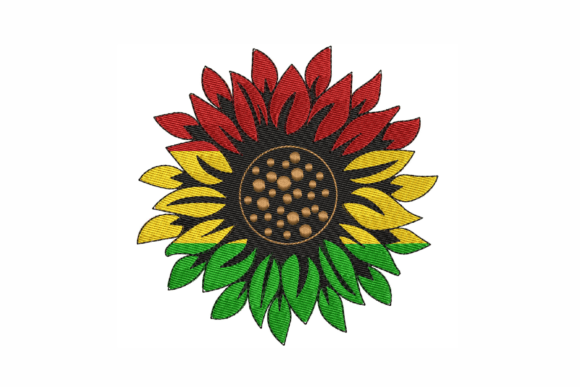
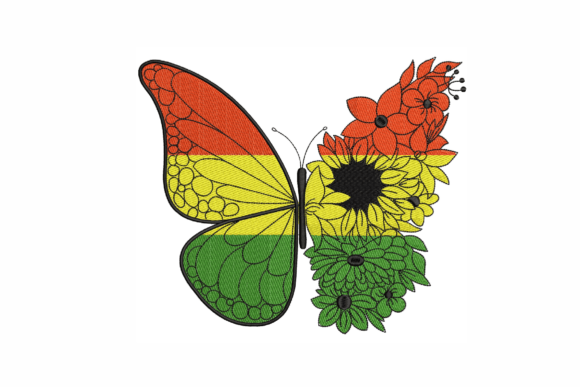
As a designer who has spent years navigating the delicate balance between artistic vision and machine limitations, I approach every new machine embroidery design with a critical eye. When I first opened the file for the Juneteenth Machine Embroidery Design, I wasn't just looking for a pretty pattern; I was evaluating its potential as a commercial asset for my craft business. This specific design, featuring the pivotal year 1865, a butterfly, and sunflowers, carries significant cultural weight. It is not merely a decorative element; it is a statement piece that demands respect in its execution.
First Impressions: Mood and Visual Weight
The initial layout of this embroidery file strikes a harmonious chord between historical reverence and natural growth. The inclusion of the sunflower immediately grounds the design in themes of resilience and light, while the butterfly adds a sense of transformation and freedom. Visually, the composition feels balanced enough to work on a variety of surfaces without overwhelming them. However, the integration of the text "1865" requires careful attention. In digital previews, the font appears crisp, but in real-world application, the density of the lettering will determine whether it remains legible or gets lost in the texture of the fabric.
The mood created by this design is celebratory yet dignified. It avoids the trap of being overly cartoonish, which is crucial when dealing with Black History themes. For an Etsy seller or a boutique owner, this visual personality suggests high-quality merchandise rather than mass-produced trinkets. The interplay between the organic shapes of the flowers and the structured text offers a sophisticated look that elevates any handmade product.
Real-World Application: From Tote Bags to Apparel
Let's talk about how this actually performs when you move from the screen to the hoop. I recently considered using this design for a custom embroidered tote bag line intended for a local Juneteenth festival. The versatility of this design allows you to embroider it onto various items, such as pillows, aprons, and caps, but the tote bag felt like the most authentic canvas. On a sturdy cotton canvas, the fill stitch areas of the sunflower petals would sit beautifully, adding texture without puckering.
For custom apparel, specifically sweatshirts, the design holds up well. The butterfly motif works exceptionally well as a chest logo or a sleeve accent. If you are planning sweatshirt embroidery, the size of the design needs to be scaled appropriately to ensure the details of the wings don't get muddled by the heavy fleece fabric. I also see great potential for this as an embroidered patch. By stitching it on a backing material and trimming it down, you can create a detachable accessory that customers can iron onto jackets or bags. This extends the life of your inventory and offers buyers more options for their personalized gift ideas.
However, if you are considering baby embroidery or nursery decor, you must exercise caution. While the theme is beautiful, the density of the stitches might be too stiff for sensitive baby skin. A lighter version of the design, perhaps focusing only on the sunflower and butterfly without the dense text, might be safer for onesies or blankets. Always prioritize comfort alongside aesthetics when designing for infants.
Navigating Fabric Challenges and Hoop Limitations
Not every fabric plays nice with complex designs. When working with the Juneteenth Machine Embroidery Design, you need to be mindful of stitch density. On thin fabrics like silk or lightweight rayon, the heavy fill areas could cause significant puckering. You will likely need a tear-away or cut-away stabilizer to support the weight of the thread. Similarly, stretchy fabrics like jersey knit require a water-soluble stabilizer and careful hooping to prevent distortion.
The hoop size is another critical factor. While the design is versatile, do not assume it fits into every standard hoop. If you are trying to fit this entire composition into a small 4x4 inch hoop, you risk compressing the elements, making the "1865" text illegible and the butterfly wings indistinct. Always check the dimensions before committing to a project. If you are working on curved surfaces like caps, the flat nature of the design might need adjustment to account for the crown's curvature, ensuring the text doesn't warp awkwardly.
Enhancing Product Value and Brand Trust
In the competitive world of commercial embroidery, the quality of your finish dictates your brand's reputation. A well-executed Juneteenth Machine Embroidery Design signals professionalism. When a customer receives a finished product where the thread colors pop against the background and the edges are clean, their trust in your brand skyrockets. Conversely, a poorly stitched design with loose threads or uneven tension can ruin even the best concept.
For the digital product seller, offering high-quality design assets like this one can be a revenue stream. However, you must ensure that the files you provide are optimized for different machines. Buyers often test designs on scrap fabric first, so providing clear instructions on thread colors and recommended stabilizers adds immense value. Using printable mockups to showcase how the design looks on dark versus light backgrounds helps customers visualize the final result, increasing conversion rates for your listings.
Practical Designer Notes for Success
Before you start your next run, here are my essential tips for working with this specific design:
- Test on Scrap Fabric: Never skip the test stitch. Run the design on a swatch of the actual fabric you plan to use to check for puckering and alignment.
- Check Color Contrast: Ensure the thread colors stand out against your fabric. A dark blue sunflower on navy denim might get lost, whereas a bright yellow on black creates striking contrast.
- Review Stitch Density: Inspect the small details, especially in the butterfly wings. If the density is too high, consider reducing the stitch count in your software to prevent thread breakage.
- Confirm Licensing: Before selling finished items or reselling the digital embroidery file, confirm the licensing terms. Some designs are for personal use only, while others allow for limited commercial sales.
- Stabilizer Choice: Use a heavy-duty stabilizer for textured fabrics or items that will undergo frequent washing, such as kitchen towels or aprons.
This design is a powerful tool for creators who want to honor history while creating beautiful, functional art. Whether you are decorating a holiday gift, stocking a small shop, or creating a personalized keepsake, the Juneteenth Machine Embroidery Design offers a meaningful way to celebrate. By paying attention to the technical details and respecting the cultural significance of the imagery, you can create products that resonate deeply with your audience.
Remember, the goal is not just to stitch a picture, but to tell a story through thread. With the right preparation and care, this design can become a standout piece in your portfolio, reflecting both your skill as a maker and your commitment to quality craftsmanship.