Sunflower Embroidery Design, Juneteenth Review
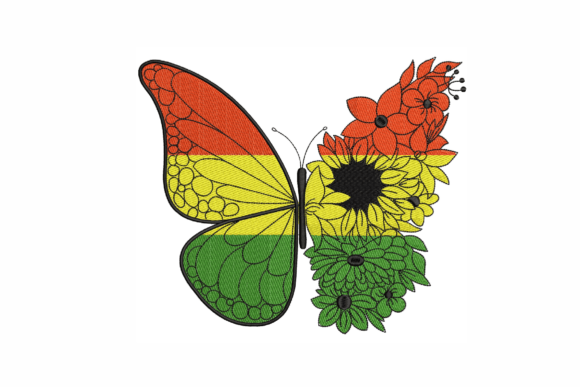
As a professional embroidery designer who has spent years curating assets for small business owners and apparel decorators, I approach every new digital file with a critical eye. The market is flooded with generic patterns, but finding a design that balances historical significance with commercial versatility is rare. Today, I am reviewing the Sunflower Embroidery Design, Juneteenth. This piece is marketed as a machine embroidery design celebrating 1865 Juneteenth and Black History. For those of us creating branded merchandise, patches, or custom apparel, the question isn't just if it looks pretty; it is whether it holds up under the scrutiny of production and brand identity.
First Impressions: Visual Personality and Brand Fit
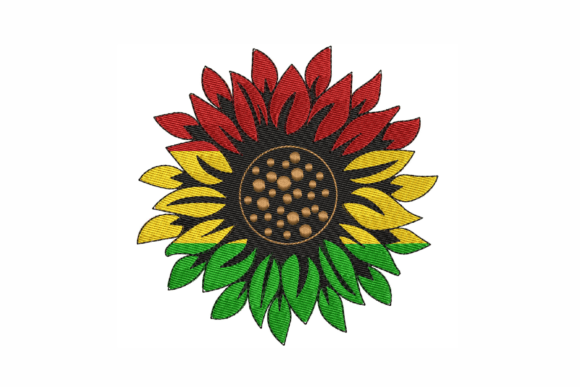
When I first opened the preview for this Sunflower Embroidery Design, Juneteenth, the immediate impression was one of warmth and resilience. Sunflowers are universally recognized symbols of positivity, loyalty, and longevity, making them an excellent choice for brands wanting to convey community support. In the context of Juneteenth, the imagery takes on a deeper layer of meaning, connecting the joy of harvest and freedom with the rich heritage of Black history.
From a branding perspective, this design feels both rustic and premium. It avoids the overly cartoonish aesthetic that plagues many holiday designs, opting instead for lines and shapes that suggest a hand-drawn quality while remaining crisp enough for machine execution. For a boutique florist, a local café, or a handmade goods studio, this design asset offers a friendly yet professional look. It does not scream "cheap decoration"; rather, it whispers "thoughtful craftsmanship." This distinction is crucial when you are selling high-value items like custom aprons or limited-edition tote bags where the perceived value of the finished product directly impacts your profit margin.
Evaluating Performance in Real Business Scenarios
The true test of any embroidery file lies in its application across various substrates. The product description notes that the versatility of this design allows you to embroider it onto various items, such as pillows and tote bags. However, as a designer reviewing this for commercial use, I see potential far beyond home decor.
- Staff Uniforms and Aprons: For a bakery or café celebrating Juneteenth, placing this sunflower motif on the chest of a staff apron creates an instant focal point. The organic shape of the flower works beautifully against the structured lines of a work shirt, adding a touch of personality without overwhelming the uniform.
- Cap Embroidery: Caps are a staple for merch creators. The radial symmetry of the sunflower makes it an ideal candidate for cap fronts. Unlike complex landscapes that can get distorted on a curved surface, a well-structured floral design maintains its integrity even when stitched on a baseball cap.
- Branded Patches: One of the most effective ways to utilize this machine embroidery design is by converting it into an embroidered patch. Patches allow for higher stitch density and more intricate detail than direct-to-garment stitching. A Juneteenth-themed patch can be sewn onto denim jackets, backpacks, or used as a detachable logo for event merchandise.
- Tote Bag Design: Tote bags are a favorite among Etsy sellers and crafters. The sturdy fabric of a canvas tote provides an excellent foundation for this design. Whether placed centrally or as a corner accent, the sunflower adds a pop of color that stands out in a crowded marketplace.
For small business merch, consistency is key. Using this design across multiple product lines—perhaps on a coffee cup sleeve mockup, a sticker sheet, and a physical embroidered item—helps build a cohesive visual language. It signals to customers that your brand is intentional and culturally aware.
Design Assets and Commercial Licensing
Before integrating the Sunflower Embroidery Design, Juneteenth into your production line, you must verify the commercial licensing terms. As a digital embroidery file buyer, you need to ensure you have the right to reproduce this design on products for sale. Many designers offer different tiers of licenses, from personal use to unlimited commercial rights. Always confirm this before printing a single mockup or cutting a single thread. Your brand reputation relies on ethical sourcing of design assets.
Critical Considerations for Production Success
While the design is visually appealing, there are specific technical challenges to consider when moving from screen to fabric. As a professional, I advise caution in several areas to ensure the highest quality output.
Stitch Density and Fabric Texture
Floral designs often require varying levels of stitch density to create depth. If the center of the sunflower is too dense, it may pucker thin fabrics like t-shirts or stretchy jersey materials. Conversely, if the petals are too sparse, they may not hold their shape on textured fabrics like denim or canvas. Always check the stitch density settings in your software. For darker uniforms, you will likely need a backing stabilizer that is heavy-duty to prevent show-through and ensure the bright yellow and green thread colors pop.
Size Limitations and Detail
Do not attempt to shrink this design too much. While it might look fine at full size, reducing it for a tiny cuff detail or a small patch can result in lost definition. The delicate outlines of the petals may merge together, creating a muddy appearance. I recommend testing the design at your intended size in black and white first to inspect spacing and clarity. If the details disappear at a smaller scale, consider simplifying the design or using it only on larger applications like tote bags or pillow covers.
Hoop Size and Stabilizer Selection
Confirm the required hoop size before you begin. Some intricate floral designs require a large hoop to capture the entire image in one go, which limits the types of garments you can embroider. If the design requires re-hooping, alignment issues can ruin the final look. Additionally, the choice of stabilizer is non-negotiable. For items that need frequent washing, such as aprons or work shirts, a tear-away or cut-away stabilizer that matches the weight of the fabric is essential to maintain the integrity of the embroidery over time.
Impact on Brand Identity and Customer Trust
Incorporating the Sunflower Embroidery Design, Juneteenth into your product line does more than add a decorative element; it strengthens your brand identity. By choosing a design that honors Black History and the spirit of Juneteenth, you demonstrate cultural competence and social awareness. This resonates deeply with modern consumers who prefer to support businesses that align with their values.
High-quality embroidery conveys professionalism. When a customer holds a tote bag with a crisp, well-stitched sunflower, they perceive the brand behind it as reliable and attentive to detail. This tactile experience builds trust. Furthermore, unique design assets like this set your products apart from mass-produced competitors. In the world of handmade products and custom apparel, uniqueness is your greatest asset.
Final Designer Notes
To summarize my review: the Sunflower Embroidery Design, Juneteenth is a strong contender for small business merch and commercial embroidery projects. Its blend of historical relevance and aesthetic appeal makes it suitable for a wide range of applications, from cap embroidery to branded patches. However, success depends on your attention to detail during production. Test on real fabric, choose the right stabilizer, respect the minimum size requirements, and always verify your license.
If you are looking to elevate your Holiday collection or create meaningful merchandise for the summer season, this design offers a versatile foundation. Just remember, the best embroidery is not just about the file; it is about how you execute it to tell your brand's story. With careful planning and proper technique, this sunflower can become a standout feature in your portfolio of custom apparel and handmade goods.