Wolf Embroidery Design: A Business Review
As an embroidery designer who has spent years translating digital concepts into tangible brand assets, I approach every new machine embroidery design with a critical eye. My goal is not just to see if a pattern looks good on a screen, but to determine if it holds up under the rigorous demands of commercial production. Today, I am reviewing the Wolf Embroidery Design, a file categorized under Wild Animals. While many buyers might see this as a decorative motif for home decor, my focus here is strictly on its viability for small business merchandise, branded patches, and professional apparel decoration.
First Impressions: Visual Personality and Brand Fit
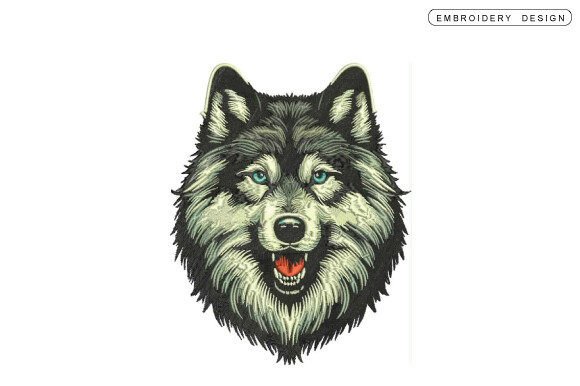
When I first loaded the digital embroidery file into my digitizing software, the initial impression was one of rugged elegance. The Wolf Embroidery Design strikes a balance between boldness and intricacy that is rare in generic animal motifs. For a boutique owner or a handmade brand manager, this visual personality suggests a few distinct directions. It feels premium yet accessible, rustic yet modern. This duality makes it an excellent candidate for brands that want to project strength, loyalty, or a connection to nature without appearing overly aggressive.
In the context of brand identity, the wolf is a powerful symbol. However, the execution matters more than the subject matter. This specific design avoids the cluttered look often found in lower-quality files. The lines appear clean, and the negative space is managed well, which is crucial when scaling the design down for smaller applications like caps or sleeve accents. If you are looking to elevate your small business merch from a simple logo placement to a statement piece, this design offers a strong foundation.
Performance in Real-World Commercial Applications
The true test of any embroidery file lies in its versatility across different substrates and product types. Based on the description stating that this design allows for use on pillows, tote bags, jackets, and framed artwork, I have evaluated how it translates specifically to business needs.
Branded Patches and Uniforms
One of the most effective ways to utilize the Wolf Embroidery Design is through embroidered patch production. For staff uniforms at a café, a creative studio, or a pet brand, a high-quality patch adds a layer of professionalism that screen printing cannot match. The design's structure suggests it would hold up well on twill backing, creating a durable badge that employees can wear with pride. On work shirts or aprons, placing this design on the chest pocket or the upper back creates a focal point that enhances visual consistency across your team.
Apparel and Accessories
For custom apparel, such as denim jackets or hoodies sold by a local brand, this design serves as a fantastic sleeve detail or back print. The complexity of the wolf's features ensures that even when embroidered in a single thread color, the shading and depth remain visible. Furthermore, for tote bag design projects, the Wolf Embroidery Design offers a tactile element that customers love. A branded tote with an embroidered logo feels significantly more valuable than a printed one, directly influencing customer perception and buyer engagement.
Event Merchandise and Gifts
Small businesses often need unique items for events, workshops, or customer appreciation gifts. Whether it is a cap for a hiking club event or a special edition apron for a bakery giveaway, this design provides a cohesive look. Using the same motif across different products—caps, shirts, and bags—strengthens brand recognition. When customers see the wolf emblem on various items, it reinforces the brand identity and builds trust in the quality of the business.
Critical Considerations for Production
While the Wolf Embroidery Design is versatile, experienced decorators know that no design is a "one size fits all" solution. There are specific scenarios where caution is required to ensure the finished product meets professional standards.
Scaling and Stitch Density
If you plan to use this design for cap embroidery or very small patches, you must be mindful of the scale. Intricate details in the fur or facial features can become muddy if the design is shrunk too much. Always check the stitch density at your intended size. If the stitches are too close together on a small scale, the fabric may pucker, or the threads may not lay flat. In such cases, simplifying the outline or increasing the spacing slightly during digitizing adjustments is essential.
Fabric Texture and Stabilization
The success of this design also depends heavily on the fabric texture. On smooth cotton or twill, the design will shine. However, on textured fabrics like heavy canvas, fleece, or knit materials, the intricate lines might get lost. To combat this, using the proper stabilizer is non-negotiable. For dark uniforms or thick jackets, a cutaway stabilizer will provide the necessary support to keep the design crisp. Without adequate stabilization, the design could lose its definition, negatively impacting the perceived value of your product.
Color Contrast and Visibility
When selecting thread colors, consider the background material. A white wolf on a light gray jacket might lack the pop needed for branding. Conversely, a black outline on a dark navy uniform requires careful planning to ensure visibility. High contrast is key for brand recognition. Before committing to a bulk run, always create a printable mockup or sew a physical sample to verify that the colors translate correctly from the screen to the fabric.
Practical Designer Notes for Small Business Owners
For those managing their own embroidery operations or outsourcing to a shop, here are my practical notes for successfully implementing the Wolf Embroidery Design:
- Test in Monochrome First: Run a test stitch in black and white to evaluate the flow of the design and identify any potential jumping issues before investing in expensive specialty threads.
- Verify Hoop Size: Ensure your machine's hoop can accommodate the full width of the design. If the design exceeds your hoop, you will need to split it, which can affect alignment and registration.
- Check Licensing Terms: Before using this commercial embroidery asset, confirm the license terms. Some digital embroidery files are restricted to personal use only. You need explicit permission to sell items featuring this design.
- Create a Client Mockup: If you are a service provider, show your client a realistic mockup of the design on their specific garment. This manages expectations and secures approval before production begins.
- Compare with Other Assets: Place the Wolf Embroidery Design next to other design assets in your portfolio. Does it complement your existing style? Consistency is vital for a cohesive brand image.
- Wash Testing: Since this design may be used on items requiring frequent washing, like aprons or work shirts, test the durability of the stitching after several wash cycles to ensure longevity.
Conclusion: Elevating Your Brand Identity
The Wolf Embroidery Design is more than just a picture of an animal; it is a tool for storytelling and brand elevation. When executed correctly, it transforms standard merchandise into premium, collectible items. For the Etsy seller, the apparel decorator, or the product designer, this file offers the flexibility to create everything from subtle sleeve accents to bold statement patches.
However, its success relies on your attention to detail regarding size, fabric choice, and stabilization. By treating this machine embroidery design with the professional care it deserves, you can create handmade products that stand out in a crowded market. Whether it is adorning a custom apparel line or serving as a unique label for a local bakery, the Wolf Embroidery Design has the potential to become a signature element of your business, fostering trust and recognition among your customers.