Pom Pom Split Embroidery Design Review
As a designer who has spent years testing machine embroidery designs for both personal craft projects and commercial client work, I approach every new file with a mix of excitement and skepticism. The market is flooded with digital assets that look great on a screen but fall apart under the needle. When I first opened the Pom Pom Split Embroidery Design, my immediate goal was to determine if it could survive the transition from a digital preview to a tangible, high-quality finished product. This design promises to add charm to fabrics, but does it deliver the structural integrity needed for real-world applications?
First Impressions: Visual Weight and Layout
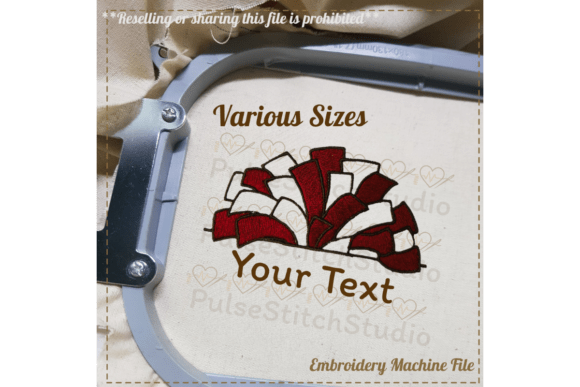
The initial visual impact of the Pom Pom Split Embroidery Design is undeniably playful. It features a whimsical aesthetic that immediately suggests softness and texture, even before a single thread is stitched. The layout appears balanced, designed to catch the eye without overwhelming the surrounding fabric. For an Etsy seller or a small shop owner looking to create unique handmade products, this kind of visual personality is crucial. It stands out in a sea of generic floral or geometric patterns.
However, the "split" nature of the design requires careful consideration. In many machine embroidery files, split elements can lead to registration issues if the hoop isn't secured perfectly. My first instinct is to evaluate how the negative space between the pom-pom sections interacts with the background fabric. If the design relies heavily on the fabric showing through, the choice of material becomes just as important as the stitch count. The mood it creates is lighthearted and fun, making it an excellent candidate for baby embroidery, nursery decor, or casual custom apparel.
Real-World Application: From Tote Bags to Sweatshirts
To truly understand the utility of this machine embroidery design, I imagined a specific project: a heavy-duty canvas tote bag intended for a local craft fair. Tote bags are a staple for small business merchandise, but they present challenges due to their thickness and texture. The Pom Pom Split Embroidery Design feels robust enough to handle the density required for canvas. The rounded shapes of the pom-poms suggest a reliance on fill stitches, which generally provide good coverage on textured surfaces.
In contrast, consider using this design on a sweatshirt embroidery project. Fleece and cotton blends have a nap that can sometimes obscure fine details. Because the Pom Pom Split Embroidery Design focuses on larger, chunkier shapes rather than tiny lettering or intricate lines, it should perform well here. The design avoids the common pitfall of getting lost in the fabric pile. For a personalized gift, such as a holiday sweater or a birthday sweatshirt, the boldness of the design ensures that the recipient sees the effort and quality immediately.
I also see strong potential for this as an embroidered patch. The defined edges of the pom-poms would likely hold up well during the cutting process, creating a crisp, professional-looking accessory. Whether applied to denim jackets, backpacks, or caps, the design adds a pop of color and character that elevates a basic item into a statement piece.
Navigating Fabric Challenges and Stitch Density
While the design is versatile, there are scenarios where caution is necessary. As with any digital embroidery file, the success of the project depends heavily on the hoop size and the stabilizer used. If you attempt to stitch the Pom Pom Split Embroidery Design on very thin or stretchy fabrics like jersey knit, you risk puckering. The fill stitches required to create the volume of the pom-poms can pull the fabric if not properly supported.
Always test the design on scrap fabric first. This step is non-negotiable for professional results. Check the stitch density to ensure the threads aren't too tight, which can cause holes in delicate materials, or too loose, which leaves gaps. For dark fabrics, you will need to consider whether the design includes a backing layer or if you need to manually add one to make the thread colors pop. Without sufficient contrast, the charm of the design might be lost against a black or navy background.
Additionally, curved surfaces like caps require special attention. The "split" aspect of the design might distort slightly on the curve of a baseball cap unless the digitization accounts for this curvature. Always review your printable mockup or run a test stitch on a similar curved surface before committing to a client order. If the design is too dense, it may become stiff and uncomfortable when worn.
Commercial Viability and Brand Consistency
For creative entrepreneurs and apparel decorators, the Pom Pom Split Embroidery Design offers a distinct advantage in brand consistency. Its playful yet structured look can become a signature element for a boutique line of home decor items. Imagine a collection of kitchen towels or pillow covers featuring this motif; it creates a cohesive, recognizable style that customers associate with your brand.
The design's ability to enhance product value cannot be overstated. A simple white towel becomes a premium handmade product when embellished with high-quality embroidery. Customers are willing to pay more for items that show attention to detail. However, this trust is built on execution. If the stitching is sloppy or the design shifts, it damages your reputation. Therefore, ensuring the embroidery file is optimized for your specific machine and materials is essential.
When selling these items on platforms like Etsy or at craft fairs, the visual appeal of the finished product drives engagement. The Pom Pom Split Embroidery Design photographs well, especially with natural lighting that highlights the texture of the satin and fill stitches. This makes it easier to create compelling marketing images that attract buyers looking for unique, personalized goods.
Practical Designer Notes for Success
Before integrating the Pom Pom Split Embroidery Design into your workflow, keep these practical tips in mind:
- Test on Scrap Fabric: Never skip this step. Run the design on the exact fabric and stabilizer combination you plan to use for the final product.
- Check Thread Contrast: Ensure the thread colors stand out against the background. Test swatches in different lighting conditions.
- Verify Hoop Size: Confirm that the design fits comfortably within your hoop without crowding the edges, which can cause stitching errors.
- Inspect Small Details: Zoom in on the file to check for any jagged edges or uneven spacing that might indicate poor digitization.
- Review Licensing: If you are planning to sell finished items or offer this as a commercial embroidery asset, confirm the licensing terms. Do not assume all design assets come with commercial rights.
- Use Proper Stabilizer: Invest in high-quality cut-away or tear-away stabilizers depending on the fabric weight to prevent distortion.
The Pom Pom Split Embroidery Design is a solid addition to any designer's library, provided it is used with intention and technical care. It bridges the gap between whimsical creativity and professional execution, making it a valuable tool for those who want to create memorable, high-quality embroidered goods. Whether you are crafting a holiday gift or building a catalog of small shop products, this design offers the charm and durability needed to impress.