Happy Thanksgiving Embroidery Design Review
As someone who has spent years testing machine embroidery designs for both personal projects and commercial craft business lines, I approach every new file with a critical eye. The market is flooded with generic holiday patterns, so finding a Happy Thanksgiving Embroidery Design that actually translates well from screen to fabric is a specific challenge. This particular design promises to celebrate the festive spirit with detailed stitching and autumn-inspired elements. But does it hold up when you move beyond the digital preview and into the real world of production? Let’s break down how this embroidery file performs in practical scenarios.
First Impressions: Mood and Visual Weight
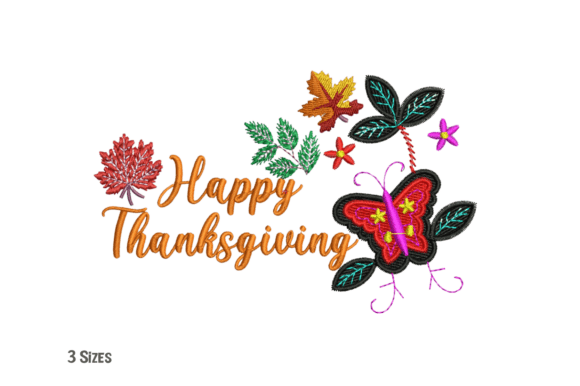
When I first loaded the Happy Thanksgiving Embroidery Design into my editing software, the immediate impression was one of warmth without clutter. Many holiday designs suffer from being too busy, creating a visual mess once stitched. This design, however, balances its text and graphical elements effectively. The layout suggests a classic, slightly rustic aesthetic that fits perfectly within the current trend for handmade home goods. The description mentions "detailed stitching," which usually implies a higher stitch count and more intricate fill patterns. In a digital product preview, this looks promising, but the real test is how those details render on actual fabric.
The visual personality feels versatile. It isn't overly cartoonish, nor is it so formal that it feels stiff. This makes me think it could work well as a tote bag design or even as an accent on a kitchen apron. The autumn-inspired elements likely utilize earth tones—rusts, oranges, and deep greens—which are staples for any Etsy seller looking to curate a seasonal collection. The key here is whether the thread colors provided in the default palette offer enough contrast against common background fabrics like canvas, denim, or flannel.
Testing in Real-Life Scenarios
To truly evaluate this machine embroidery design, I imagined running a small batch of custom apparel for a local boutique. Picture a heavy-weight sweatshirt or a structured cotton tote bag. These are high-demand items for the Thanksgiving season. If I were to place the Happy Thanksgiving Embroidery Design on the left chest of a crewneck sweatshirt, the scale would need to be just right. Too small, and the "detailed stitching" might get lost; too large, and it could overwhelm the garment.
In a recent project involving sweatshirt embroidery, I found that designs with dense fill stitch areas can sometimes cause puckering if the stabilizer isn't chosen correctly. For this design, I would recommend using a cut-away stabilizer rather than tear-away, especially if the fabric has any stretch. The goal is to ensure the finished product looks professional and durable. If a customer buys a personalized gift featuring this design, they expect it to survive the holidays and potentially several washes afterward. The clarity of the lettering in "Happy Thanksgiving" is crucial; if the running stitch or satin columns are too thin, they might not stand out against a textured fleece.
Consider also the application on smaller items like baby clothes or nursery decor. A baby embroidery project requires softness and safety. While the design is described as having detailed stitching, we must ensure there are no sharp points or excessively long jump stitches that could irritate sensitive skin. On a baby onesie, a smaller hoop size might be necessary, which brings us to the limitations of the design.
Navigating Limitations and Fabric Challenges
No embroidery file is perfect for every situation. There are specific contexts where the Happy Thanksgiving Embroidery Design needs careful handling. First, consider the hoop size. If the design includes wide-spanning elements, such as a large turkey or sprawling leaf motifs, it may not fit comfortably in a 4x4 inch hoop. Attempting to force a larger design into a small hoop often results in registration issues, where the top layer of thread doesn't align perfectly with the underlay.
Another concern is the fabric texture. On highly textured fabrics like thick wool blankets or chunky knit scarves, the fine details mentioned in the description might get swallowed by the weave of the material. Similarly, on dark fabrics, the default thread colors might lack sufficient visibility unless you adjust the color palette to include brighter highlights or use a backing layer of white thread underneath the main design.
Curved surfaces present another hurdle. If you plan to use this design on a cap or a curved pillow cover, the flat nature of the digitization might distort the text. Satin stitch bands on curved surfaces can sometimes pull or pucker if the density isn't adjusted. Before committing to a run of caps, I would always test the design on a scrap piece of similar fabric, hooped in a manner that mimics the curve of the final product.
Impact on Product Value and Brand Consistency
For the small shop owner or creative entrepreneur, the choice of design directly impacts perceived value. A high-quality finished product commands a higher price point. The Happy Thanksgiving Embroidery Design offers a level of polish that elevates a simple tote bag into a premium personalized gift. When customers see crisp, well-defined stitching with balanced stitch density, they associate that quality with your brand.
However, consistency is key. If you are selling multiple items in a holiday collection, this design should complement your other assets. Does it match the style of your Christmas or Halloween offerings? If your brand leans towards modern minimalism, a very ornate, traditional Thanksgiving design might clash. Conversely, if your brand is all about cozy, rustic charm, this design fits right in. Using printable mockups to visualize the design on various products before purchasing inventory can save time and money.
Furthermore, buyer engagement often hinges on the uniqueness of the item. Mass-produced holiday decorations are everywhere. A hand-embroidered patch or a custom-stitched kitchen towel featuring this design stands out because of the human touch involved in the production process. It tells a story of care and craftsmanship, which is exactly what drives sales in the handmade marketplace.
Practical Designer Notes for Success
Before you download and stitch, take these practical steps to ensure success with the Happy Thanksgiving Embroidery Design:
- Test on Scrap Fabric: Never skip this step. Run the design on a piece of the exact fabric you plan to use to check for puckering, tension issues, and color accuracy.
- Check Thread Contrast: Ensure the thread colors pop against your background. You may need to swap the default colors for better visibility on dark or patterned fabrics.
- Review Stitch Density: Look at the design in your software. Are there areas that look too solid? High density can make the fabric stiff. Adjust if necessary.
- Confirm Hoop Size: Verify that the design dimensions fit your available hoops. If it's too big, you may need to resize, which can affect the quality of the fill stitch.
- Inspect Small Details: Zoom in on the digital file. Are there tiny letters or thin lines that might disappear during stitching? If so, consider simplifying or enlarging.
- Use Proper Stabilizer: Match your stabilizer to the fabric weight. Heavy fabrics need heavy support; light fabrics need lightweight support to prevent distortion.
- Verify Licensing: If you plan to sell the finished items, confirm that the license allows for commercial embroidery. Some files are for personal use only.
Ultimately, the Happy Thanksgiving Embroidery Design presents a strong opportunity for makers looking to add a seasonal flair to their portfolios. With careful planning regarding fabric choice, stabilizer selection, and placement, it can become a standout piece in your holiday collection. Whether you are crafting a single handmade product for a friend or preparing a batch of merchandise for your online store, taking the time to evaluate the design's practical application will pay off in the quality of your final work.