Blue Faux Embroidery Alphabet Clipart Review
As a professional embroidery designer who has spent years translating digital concepts into tangible threads, I approach every new asset with a critical eye. When I first encountered the Blue Faux Embroidery Alphabet Clipart, my immediate reaction was one of cautious optimism. In the world of Crafts and Graphics, "faux" often implies a shortcut, but for small business owners looking to elevate their brand without breaking the bank on custom digitizing, this type of resource can be a game-changer. This review dives deep into how this specific design asset performs when applied to real-world merchandise, from staff uniforms to boutique patches.
First Impressions: Professionalism Meets Handmade Charm
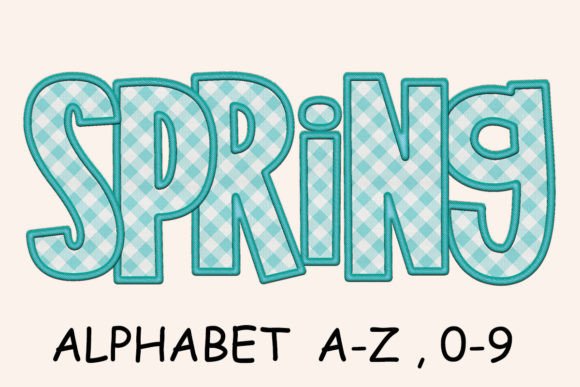
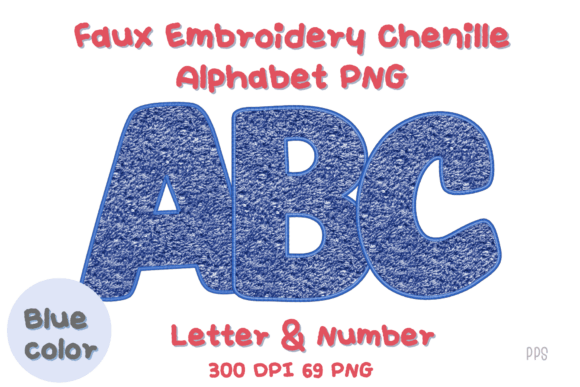
The visual language of the Blue Faux Embroidery Alphabet Clipart is immediately striking. The blue hue suggests a classic, trustworthy tone, often associated with stability and professionalism in branding. Unlike stark, vector-perfect fonts, the faux embroidery style introduces texture and imperfection that mimics the look of actual stitching. For handmade brands, Etsy sellers, and local boutiques, this aesthetic bridges the gap between mass production and artisanal quality. It feels friendly yet structured, making it an excellent candidate for brand identity elements that need to feel personal without sacrificing legibility.
When evaluating a digital embroidery file or printable graphic, the first question is always about versatility. Does it look like a premium patch or a cheap sticker? In this case, the rendering of the stitches gives the letters depth. If you are creating a tote bag design or a logo accent for a café apron, this clipart provides that "crafted" look instantly. However, as a designer, I must emphasize that while the PNG file offers a 300 dpi resolution with a transparent background, it is a print-ready image, not a machine-readable stitch file. This distinction is crucial for your workflow.
Real Business Applications: From Patches to Packaging
The true test of any design asset lies in its application. How does the Blue Faux Embroidery Alphabet Clipart hold up when moved from a screen to a physical product? Let's explore several high-value use cases for small business merch and custom apparel.
- Embroidered Patches: While this is a PNG file, many businesses use high-resolution prints to create iron-on patches or sublimation transfers. The faux stitch detail holds up well here, giving the illusion of a custom embroidered patch without the cost of digitizing every single letter. This is perfect for event merch or limited-run customer gifts.
- Staff Uniforms and Aprons: For a bakery or florist, apron embroidery adds a layer of polish. Using this clipart on a printed label sewn onto an apron creates a cohesive look. The blue tones pair beautifully with white, denim, or khaki fabrics, offering high contrast and readability.
- Cap Embroidery Accents: On the side of a cap or the back of a work shirt, smaller text details are needed. The clean lines of this alphabet allow for scaling down without losing the essential character of the font, provided you respect the resolution limits.
- Product Packaging and Labels: Small businesses often struggle with packaging costs. Printing this design on kraft paper labels or box stickers elevates the unboxing experience. It signals to the buyer that attention was paid to detail, enhancing the perceived value of the finished product.
Navigating Design Limitations and Risks
Despite its appeal, there are scenarios where the Blue Faux Embroidery Alphabet Clipart requires careful handling. As a designer, I advise against using this for applications requiring extreme precision or high-stress durability if you are relying solely on the print aspect rather than actual thread.
First, consider stitch density simulation. Because this is a flat image, it cannot replicate the raised texture of real thread. If your brand relies heavily on the tactile experience of embroidery, a printed version might feel underwhelming compared to a true machine embroidery design. Second, be wary of tiny lettering. When resized too small for a sleeve detail or a keychain, the faux stitch lines may blur, especially on textured fabric. Always check the clarity at your intended scale before committing to a bulk order.
Furthermore, color contrast is vital. The specific shade of blue in this clipart works well on light backgrounds. If you plan to use it on dark uniforms or black tote bags, you will need to adjust the opacity or add a backing layer to ensure the text remains visible. Dark fabrics absorb light, which can make lighter blues appear washed out if not properly supported by a white underbase in your printing process.
Impact on Brand Identity and Customer Trust
Visual consistency is the backbone of a successful small business. Using assets like the Blue Faux Embroidery Alphabet Clipart across your design assets helps build recognition. When a customer sees the same stylized font on your website, your printable mockup, your shipping tags, and your staff aprons, it reinforces your brand story. This consistency builds trust. It tells the customer that you are organized, professional, and detail-oriented.
For handmade products, this specific style enhances the narrative of craftsmanship. It doesn't scream "corporate giant"; instead, it whispers "local studio." This emotional connection is what drives engagement and repeat purchases. Whether you are selling custom apparel or creating commercial embroidery projects for other clients, having a library of versatile graphics allows you to offer quick turnaround times without compromising on aesthetics.
Practical Designer Notes for Production
Before integrating this clipart into your next project, follow these practical steps to ensure the best results:
- Test in Black and White: Before finalizing colors, view the design in grayscale. This helps you determine if the contrast is sufficient for reading on various materials.
- Verify Scale: Since the description notes the file can be resized, test it at the exact size you intend to use. Zoom in to 100% to ensure the "stitches" do not pixelate.
- Fabric Compatibility: If printing on fabric, consider the texture. A smooth cotton poplin will render the details better than a coarse linen or a fuzzy fleece.
- Stabilizer Considerations: If you are using this as a template for actual hand embroidery or machine embroidery later, remember that you will need to digitize it properly. Do not try to embroider directly from a PNG. Use the image as a guide for your embroidery file creation.
- Licensing Check: Confirm the commercial licensing terms. Ensure you have the right to use this for small business merch and resale items. Most digital downloads allow this, but it is always safer to verify.
- Create a Mockup: Always present a realistic printable mockup to your client or yourself before ordering materials. This prevents costly mistakes and ensures the design fits the intended space, whether it is a hoop size equivalent on a hat or a chest pocket on a shirt.
In conclusion, the Blue Faux Embroidery Alphabet Clipart is a robust tool for the modern maker. It balances the need for speed with the desire for a high-end, handcrafted aesthetic. By understanding its strengths and limitations, you can leverage this graphic to create compelling finished product offerings that resonate with your audience. Whether you are decorating caps, designing tote bags, or branding your shop, this asset offers a reliable path to professional-looking results.