Baby Shoes Embroidery Designs Review
As a professional embroidery designer who has spent years refining machine embroidery design assets for commercial use, I approach every new file with a critical eye. When evaluating Baby Shoes Embroidery Designs, my goal is not just to see if it looks pretty on a pillow, but to determine if it holds up as a viable asset for small business merchandise, branded patches, and uniform accents. The product description promises versatility, stating this wonderful design can be beautifully embroidered on any fabric you like to work with, from pillows and towels to bags, apparel, or home decor. However, in the world of commercial embroidery, "any fabric" is often a trap. Let's dig into how this specific digital embroidery file performs when moved from a craft table to a production line.
First Impressions: Visual Personality and Brand Fit
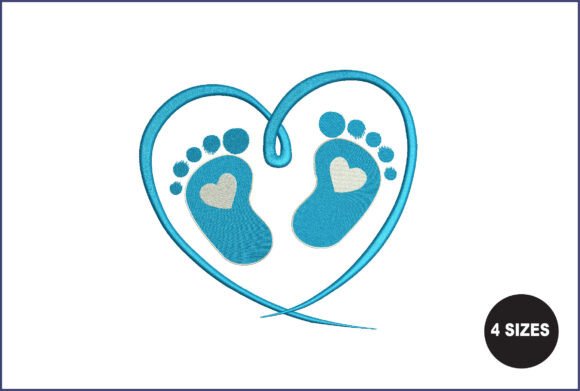
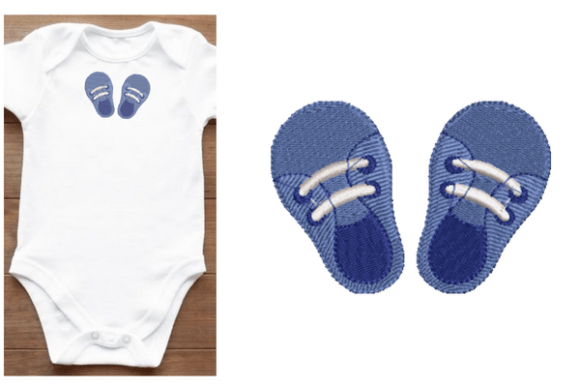
At first glance, Baby Shoes Embroidery Designs exudes a friendly, playful, and classic aesthetic. For businesses targeting the Boys category or family-oriented markets, the imagery immediately communicates warmth and nostalgia. This is not a sharp, corporate logo; it is a decorative element that suggests care, handmade quality, and attention to detail. If you run a boutique, a baby shower planning service, or a children's clothing brand, this design offers a soft entry point for branding. It feels less like a rigid trademark and more like a signature stamp of quality. However, for a modern tech startup or a high-end men's grooming brand, this design would likely clash with a sleek identity. The key here is alignment. Does your brand voice match the gentle, whimsical nature of these shoes?
Performance in Real Business Applications
When we move beyond the screen and look at real-world application, Baby Shoes Embroidery Designs shines in specific categories. One of the most effective uses I have seen for similar motifs is on embroidered patch applications. Patches allow you to control the background fabric and stabilizer, ensuring the intricate details of the shoe soles and laces remain crisp. These patches can then be sewn onto denim jackets, tote bags, or even used as standalone gifts for customers.
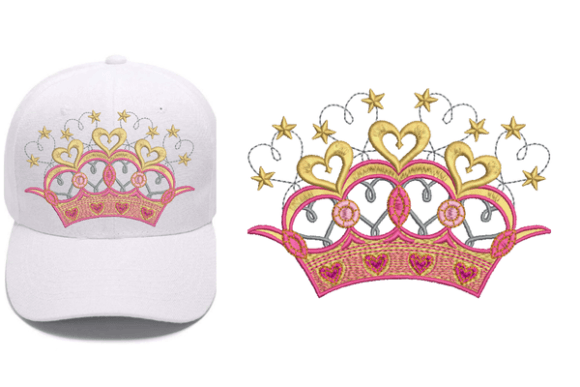
Consider the potential for apron embroidery in a bakery or café. A small, tasteful placement of these shoes on the chest pocket of a staff apron adds a touch of personality without overwhelming the wearer. Similarly, for cap embroidery, this design works well on the front panel of a baseball cap, provided the stitch density is managed correctly. The rounded shapes of the shoes translate well to the curved surface of a hat, unlike angular text which can distort. For tote bag design, placing the motif near the bottom corner or centered on the front creates a balanced look that elevates a simple canvas bag into a premium retail item.
This design also serves as an excellent accent for custom apparel. Imagine a limited-run t-shirt collection for a baby shower event or a local charity drive. Using Baby Shoes Embroidery Designs as a sleeve detail or a back-print accent can differentiate your merchandise from standard screen-printed options. The texture of the thread adds a tactile dimension that digital prints cannot replicate, increasing the perceived value of the finished product.
Critical Considerations for Production
While the versatility is appealing, there are areas where caution is required. As a designer, I always advise clients to test the file before committing to a bulk order. First, consider the size. Baby Shoes Embroidery Designs may lose definition if scaled down too aggressively for tiny patches or small cap logos. Intricate details like stitching lines on the shoes can merge into a blob if the hoop size is too small. Always check the minimum recommended dimensions in the embroidery file documentation.
Secondly, pay close attention to stitch density. High-density areas can cause puckering on lightweight fabrics like silk or thin cotton. If you plan to use this on apparel that will be washed frequently, ensure the design does not create a stiff patch that might crack over time. Dark uniforms present another challenge; the light colors typically associated with baby shoes may require a dense underlay to prevent the dark fabric from showing through. Without proper backing, the design could look muddy rather than vibrant.
Furthermore, the interaction with fabric texture is crucial. On a textured towel or a nubby throw blanket, the fine details of the shoe tread might get lost. In such cases, simplifying the design or choosing a bolder color palette is essential. Always perform a test run on the actual material intended for production. Do not rely solely on the software preview.
Impact on Brand Identity and Customer Trust
Using high-quality design assets like Baby Shoes Embroidery Designs directly impacts customer perception. A well-executed embroidery project signals professionalism and craftsmanship. When a customer receives a tote bag or a shirt with a clean, precise embroidered logo, they associate that quality with your brand. Conversely, a poorly executed design with loose threads or uneven spacing can damage your reputation instantly.
For small business merch, consistency is key. If you use this design across multiple products—patches, caps, and shirts—it creates a cohesive visual language. This repetition builds recognition. Customers begin to identify your brand by the unique style of the embroidery. Additionally, offering items with custom embroidery allows you to charge a premium price point compared to standard printed goods. The handmade feel of the Embroidery process appeals to buyers looking for unique, artisanal products, particularly on platforms like Etsy.
Practical Designer Notes for Implementation
To ensure success with Baby Shoes Embroidery Designs, follow these practical steps:
- Test in Black and White: Before selecting your final thread colors, run a test in black. This helps you evaluate the shape, flow, and density without the distraction of color.
- Verify Hoop Size: Confirm that the design fits within your machine's maximum hoop size. If it requires splitting, ensure the registration points are accurate to avoid misalignment.
- Choose the Right Stabilizer: For knits and stretchy fabrics, use a cutaway stabilizer. For wovens and heavier items like towels, a tear-away or water-soluble option may suffice.
- Create a Mockup: Generate a printable mockup for client approval. Show them exactly how the design looks on the intended garment before stitching a single thread.
- Check Licensing: Ensure you have the right to use this digital embroidery file for commercial purposes. Some files are licensed for personal use only, which can lead to legal issues for your business.
- Compare Assets: Place this design next to other elements in your brand kit. Does the scale match? Is the style consistent with your typography and other graphics?
In conclusion, Baby Shoes Embroidery Designs is a versatile and charming asset for the right business context. Whether you are creating handmade product labels, staff uniforms, or promotional giveaways, its potential is significant. By respecting the technical limitations of embroidery and focusing on quality execution, you can transform this simple motif into a powerful tool for brand building. Remember, the difference between a good design and a great one often lies in the preparation and the choice of materials. Use this file wisely, and it will serve your small business well for seasons to come.